
UK Energy Bill Arrears to Top GBP 7 Billion: Who Wins and Loses in Retail?
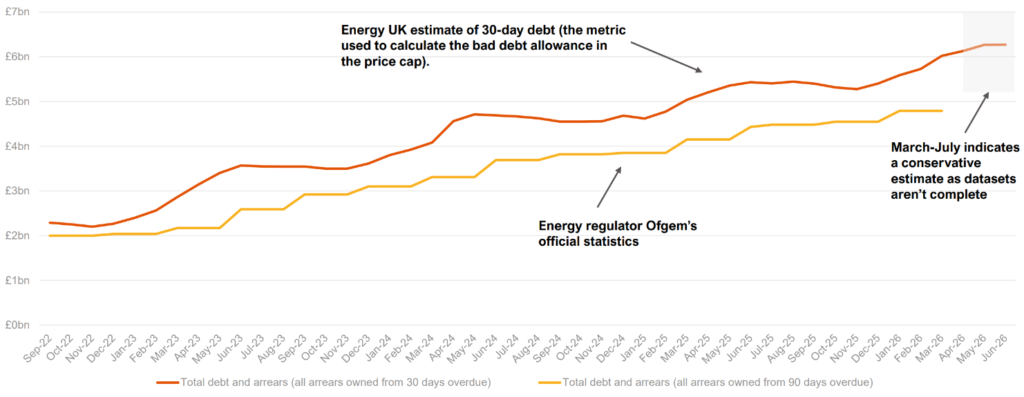
UK consumers’ energy bill arrears are projected to top GBP 7 billion this year, according to energyUK. So who will win and who will lose in UK retail given this reality?
We expect there will be opportunities to negotiate attractive lease terms for the business models that help consumers function on tighter budgets.
– The consumers’ DROP List: Mid-market fashion, big-ticket home goods, and casual dining absorb core energy bills.
– The consumers’ FOCUS List: At-home entertainment, health and beauty, and value or circular economy items.
To capture this shifting wallet share, retail location strategy must evolve. Here are the business models likely to thrive across the UK’s urban and suburban landscapes.
In Large Cities: Reduce footfall for individual retail concepts and make products locally accessible.
In major urban hubs, winning formats rely on extreme footprint efficiency and pooling operational overheads to combat rising city-centre utility costs.
– Plug-and-Play Co-Retail Spaces: With mid-market fashion demand suppressed, individual brands can view rigid leases as too risky. Multi-brand collectives that share a single rental bill, utilities, and floor staff are more likely to function reliably over time.
– Micro-Fulfillment and Quick-Commerce Hubs: Consumers reduce physical shopping trips to cut travel costs, and they shop more within walking distance. As a result, it can help to switch from large, expensive high-street storefronts to cheaper secondary locations closer to consumers.
In Mid-Sized Towns: Help with fixing things, reusing them and with skipping commutes.
Successful formats win by targeting hybrid workers and aligning directly with the default consumer requirement for value.
– Suburban Coworking and Retail Hybrids: As remote workers stay local to avoid commuting expenses and reduce accommodation size, neighbourhood footfall rises. Multi-functional spaces combining hot-desks, community cafes, and curated retail corners capture the casual daily spend that used to leak into central metropolitan business districts or into paying for larger homes.
– Discount-Chic and Circular Economy Hubs: Curated high-street spaces dedicated to high-quality resale, repair services, and surplus inventory are moving from secondary streets to prime positions. In a tight economy, businesses that elevate the value-seeking experience and help consumers extend the lifespan of their goods win market share.
I publish this post to discuss matters related to SpaceMatch.ai.
Secure your next high-yield retail footprint before your competitors do. Explore the database today at SpaceMatch.ai.
#CommercialRealEstate #RetailStrategy #PropTech #UKEconomy #RetailProperty #LocationIntelligence